Are You Tired, Could You Be Iron Deficient?
- My Friendly Pharmacist

- Jul 23, 2021
- 6 min read
Updated: Jul 21, 2024
Do you feel exhausted when you are exert yourself a little such as climbing stairs or walking up an incline even though you seem fit? You could have low iron in your blood especially if you are a woman. Iron deficiency is one of the most common nutritional deficiencies and can lead to iron deficiency anaemia if left untreated.
Why is iron important and what are some of the symptoms of low iron? What can you do about it? Here I will tell you a few ways to solve these issues.

What Is Iron and Why do we Need it?
Iron (Fe) is a very essential mineral in the blood. It helps transportation of oxygen in the blood. Iron is an essential component of haemoglobin, a protein in red blood cells (rbc) that carries oxygen from the lungs to the rest of the body tissues so your cells can produce energy. Iron also improves oxygen storage via myoglobin which is another protein containing iron which transports and stores oxygen in your muscles. About 70% of total body iron is found in haemoglobin and myoglobin. Roughly 6% is present in enzymes and other proteins and about 25% of iron is stored as ferritin found in cells and circulates in blood.
Some of the important functions of iron are:
Energy production
Improves cognitive function
Optimum functioning of the immune system- fight infections
Oxygen transport (discussed earlier)
Make red blood cells
Maintain healthy cell division
There are two types of dietary iron, heme-iron and non-heme iron. Non-heme is present in both animal and plant foods but heme-iron comes mostly from animal food sources. Non-heme iron is usually much less absorbed then heme-iron due to its decreased bioavailability which is an attribute to their different chemical structures. Some food although rich in iron may not be absorbed in the blood efficiently due to the presence of iron inhibitors. On the other hand more iron would be absorbed in the presence of iron enhancers.
Inhibitors of iron Absorption
Phytate
Phytate is the most common inhibitor of iron absorption in most plant based diets. The more phytate in food the less iron is absorbed. Food processing and preparation methods such as milling, heat treatment, soaking, germination, and fermentation, can be used to remove or reduce phytate to some extent. Adding phytase (an enzyme which breaksdown phytate) to food prior to consumption would also enhance iron absorption in plant based diets.
Polyphenols
Polyphenols occur in various amounts in plant foods and beverages, such as vegetables, fruit, some cereals and legumes, tea, coffee, and wine. Some studies suggest polyphenols in tea and coffee reduce the absorption of iron from diet.
Calcium
Calcium has been shown to have negative effects on nonheme and heme iron absorption. Calcium in dairy products and fortified products with calcium can reduce iron absorption.
Proteins
Some studies show that animal proteins, such as milk proteins, egg proteins, and albumin inhibit iron absorption such as whey and casein which are the two major milk proteins. Proteins from soybean also decrease iron absorption.
Enhancers of Iron Absorption
Ascorbic Acid
It is well known that a glass of orange juice increases the absorption of iron. Ascorbic acid, more commonly known as vitamin C, overcomes the negative effect on iron absorption of all inhibitors, which include phytate , polyphenols , and the calcium and proteins in milk products, and will increase the absorption iron. Therefore vegetarian and vegan diets should incorporate vitamin c regularly in their diets to increase the levels of iron in their blood. Cooking, industrial processing, and storage can degrade ascorbic acid and remove its enhancing effect on iron absorption.

Foods rich in iron include:
Red meat, pork and poultry.
Seafood.
Beans.
Dark green leafy vegetables, such as spinach.
Dried fruit, such as raisins and apricots.
Iron-fortified cereals, breads and pastas.
Peas.
Eat the above mentioned food regularly to keep your iron levels up.

Who is most at Risk of Low Iron?
In the community about 34% of child bearing aged females are at risk. Others and causes include;
Pregnant women
Breast feeding and post delivery women
Fussy eaters

Infants with increased cows milk intake
vegetarians and vegans
People with poor iron absorption due to certain medications eg. proton pump inhibitors, certain bariatric surgery and people with inflammatory bowel conditions
Rapid utilisation of iron due to rapid growth in infants in their first year of life and adolescents
Increased blood loss: common causes are heavy menstrual bleeding, gastrointestinal bleeding or urogenital bleeding
Regular blood donors especially if you are female 18-45 years
Drug related- non-steroidal anti-inflammatory eg. aspirin
Genetic predisposition -iron refractory iron deficiency anaemia
Symptoms of Low Iron
You may feel different if you have low levels of iron in your blood. Some of these include;

Poor concentration
Lethargy/fatigue
Dizziness
Irritability
Headache
Cold intolerance
Chest pain, fast heartbeat or shortness of breath
Inflammation or soreness of your tongue
Brittle nails- some people may have spoon like nails

Unusual cravings for non-nutritive substances, such as ice, dirt or starch
Poor appetite, especially in infants and children with iron deficiency anaemia
If low iron level in your blood is left untreated, it can lead to iron deficiency anaemia.
What to Do ?
Firstly you should see your health care professional in case there is an underlying condition causing low iron as discussed earlier. You may need a blood test to confirm iron deficiency. It measures serum iron, transferrin, transferrin saturation, total iron-binding capacity and ferritin.

Serum iron levels (free circulating) can be affected by dietary intake of iron or iron tablets therefore its not a very useful marker of accurate iron levels.
Among the iron studies, serum ferritin is the most sensitive and specific test for evaluating a patient’s iron stores. A serum ferritin of less than 30 microgram/L is diagnostic of iron deficiency and it should be investigated further for an underlying cause and appropriate management
Treatment
Change dietary habits to ensure adequate intake of iron by choosing foods high in iron as indicated previously. Since plant iron is non-heme vegetarians and vegans can increase their absorption of iron by consuming iron rich vegetables with vitamin c (eg. glass of orange juice).
Current studies favour oral intake of iron unless infusion is needed to correct iron levels quickly. How and when to take iron tablets is very important as it affects absorption.
Hepcidin is a hormone that regulates the absorption of iron in our body. Hepcidin is low in the morning and so more iron is absorbed therefore iron supplements should be taken first thing in the morning preferably. Hepcidin levels slowly rise during the day and is highest in the evening so iron should be avoided at this time of day.
Iron supplements with vitamin C should be taken on an empty stomach with a glass of water or with a glass of orange juice if without this combination.
It should be taken half an hour before breakfast as tea/coffee and milk can interfere with absorption unless you have a sensitive stomach. Calcium in dairy reduces the absorption of iron.
Most pregnancies cause reflux - avoid taking antacids with iron tablets as it contains calcium (separate by 2 hours).
thyroxine absorption is affected by iron so separate ingestion by 2-4 hours.
Iron is available in tablet, capsule or liquid form. It is important to know the amount of elemental iron in these different formulations as they vary from 5mg to 100mg of elemental iron. Blood test showing iron deficiency should be corrected by taking 100mg of elemental iron for about 3 months or as directed by your health professional. Some experts recommend 60-80mg of iron per day for better tolerance as iron supplements can cause constipation and other gastro-intestinal side effects. Some also recommend alternate day dosing due to this reason and for better absorption.( hepcidin is upregulated when there is a large amount of dietary iron which decreases absorption from the gut, therefore second day dosing downregulates hepcidin and this increases absorption of iron!). The table below shows some oral iron formulations which can be taken for iron deficiency.

Maltofer tablets Iron Polymaltose complex 100mg
370mg
Maltofer syrup Oral liquid 185mg
Iron Polymaltose 50mg/5ml
You can find Maltofer tablets, Maltofer syrup, Ferrograd C and other supplements at your local pharmacy and online.
Adverse Reactions
Iron supplements can cause;
constipation
nausea/vomiting/bloating/flatulence
metallic taste/ teeth stain especially with liquid preparations
IM infusion of iron are painful and can permanently stain the skin so IV method is preferred for rapid infusion
Although most iron preparations can be well tolerated by majority of people, some side effects can be managed by taking a different formulation. Changing from sulphate or fumarate preparations to polysaccharide complex (eg. maltofer) as it may reduce gastro-intestinal side effects especially constipation but be aware of formulations with only 5mg of iron. Having said that fumarate and sulphate preparations should be taken as a first line of choice as recommended by most clinicians.
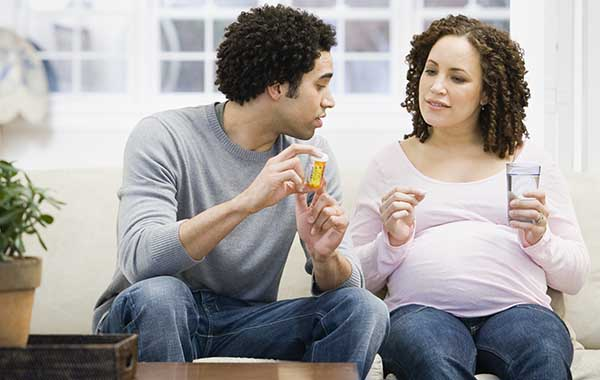
Iron is a very important mineral in your body and its deficiency is common but it can be easily overcome by regular supplementation and increasing dietary consumption. Consult your health care professional if you or someone you know has symptoms of low iron. It is important to know the factors which reduce iron absorption and how to combat them. Finally, Iron supplements should be taken;
with vitamin c
on an empty stomach ( except maltofer which is taken with food) as phosphates, phytates and tannates in food bind iron and impair absorption
first thing in morning
Iron is toxic in overdose. It is therefore important to store oral iron products out of reach of children.


Comments