Is that a Cold Sore? Prevention and Treatment
- My Friendly Pharmacist

- Nov 7, 2020
- 4 min read
Updated: Jul 21, 2024
What is a Cold Sore?
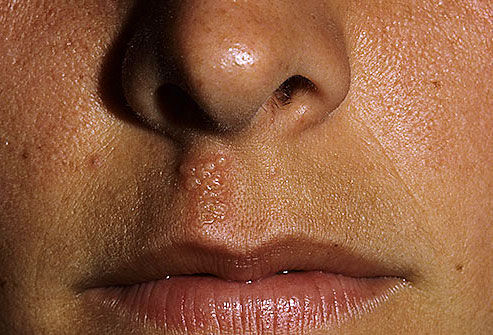
A cold sore is a recurrent viral infection caused by herpes simplex virus type 1 (HSV1). The virus is transmitted by direct contact with active lesions or sores. The infection is usually acquired as a baby or child from contact with an infected relative or parents via a kiss. Localised infections occur more frequently in childhood but may be delayed until adulthood. The virus remains dormant (inactive) in the nerve cells and given the right conditions (see below for trigger factors) it presents itself again. It usually presents itself as fluid filled clusters. ( see picture above). They appear quickly but may take 10-14 days to disappear if untreated without leaving any mark usually. Cold sores are very contagious therefore proper hygiene has to be maintained to avoid transmitting to others. There is no cure for cold sores currently but it an be prevented ( see list below) and treated efficiently with antiviral medications.
Trigger Factors
Some people may have the virus but it may be dormant so they are asymptomatic and may be for a long time, even for years. Other people may have symptoms recurring throughout their life.The virus can be activated by the following trigger factors;
over exposure to sunlight

fever - cold or flu
illness
physical or emotional stress and anxiety
low immunity ( due to disease or medication)
skin trauma/damage
hormonal changes - menstruation
low lysine to arginine ratio
It takes a few stages from when a cold sore first appears to scab formation and healing process.
Symptoms and Stages
Cold sores are characterised by small blisters on the skin on and around the lips, mouth and nose. Initial symptoms involve a tingling, burning and itchy sensation where the cold sore appears. The skin becomes red, inflamed, tender and manifests with painful fluid filled blisters.
The following stages describe how a cold sore develops;
skin tingling, itching, redness
tender small red lesions appear
fluid filled blisters form - pain and throbbing increases
blisters rupture leaving reddish coloured weeping sores which is the most contagious stage
lesions begin to dry and form thin yellow crust
lesions heal, crust falls off, red tender area left
redness and irritation fade and skin becomes normal leaving the virus to be dormant again till the next trigger
How to Minimise and Prevent Occurrence of Cold Sores
Be aware of trigger factors so you can try and avoid them to reduce further out breaks

keeping a healthy immune system ;
*olive leaf, garlic and echinacea supplements may help boost immune system
*vitamin c and zinc support wound healing and skin health. Vitamin C is an important factor in collagen and connective tissue formation which are structural components of the skin. Oranges are a good source of vitamin c. Zinc helps skin renewal.
Lysine taken as a preventative to combat levels of arginine, an amino acid which promotes the growth of herpes simplex 1 virus. Therefore, limiting intake of foods rich in arginine such as chocolate, nuts, some seeds and chickpeas may help reduce sold sore occurrence.
Supplements which may reduce stress would help. You can try taking Ashwagandha, Rhodiola and b-complex vitamins (available here ) to reduce symptoms of stress. Also reduce stress related activities. Regular meditation, yoga and exercise will reduce stress and anxiety levels.
using lip balms to keep lips hydrated
using sunscreen while in the sun and reducing excessive exposure to the sun will minimise skin damage
Avoid sharing drinks with someone who has a cold sore

Avoid direct skin to skin contact of cold sore area with someone else
Avoid touching or popping cold sores to minimise spread
If cold sores have already developed you can manage pain and aggravation by avoiding acidic fruit such citrus, tomatoes. Also minimise fruit juices, spicy foods and any acidic dressing in salads.
Treatment
You can stop the cold sore from developing further if you take antiviral medication on the first sign of a tingling sensation. Famciclovir, an antiviral when taken within 24-72 hours will usually prevent cold sores from developing further reducing swelling and painful blisters. Adults 18 and over can take 3 tablets of famciclovir 500mg as a single dose. Antiviral creams containing acyclovir as a single ingredient can be applied 5 times daily will reduce further symptoms but acyclovir with hydrocortisone combination helps reduce inflammation and pain associated with cold sores.
Paracetamol and ibuprofen can be used orally to reduce pain associated with cold sores.
Virasolve and betadine ointments can also be used once cold sores have blistered. You can cover the sores with clear patches to reduce spread of the virus and for cosmetic reasons!

Yes, you can prevent a cold sore erupting sometimes if not all! Cold sores can be managed well if it is known what triggers them. Always have antiviral medication handy so you can start treatment as soon as tingling sensation starts. There is no cure for cold sores but you can certainly reduce the number of times it will surface on your skin!


Comments